







The NEYA Global Knowledge Ecosystem is designed as an institution-ready system prepared for governed access, licensed use, and structured deployment. Its architecture supports formal adoption across academic institutions, nonprofit organizations, foundations, and professional training systems.

Rather than operating as an open content repository or informal educational resource, the ecosystem functions as a managed knowledge infrastructure. Access, use, and deployment are regulated through clearly defined institutional frameworks that ensure integrity, traceability, and long-term sustainability.


Institutional Access as a Governance Function

Institutional Access Framework
Governed institutional access to the NEYA Global Knowledge Ecosystem, designed for accountable adoption, quality assurance, and long-term system integrity.

Continue reading →
456
December 19, 2025

A modular, pathway-based educational layer within the NEYA Global Knowledge Ecosystem

The educational architecture of the NEYA Global Knowledge Ecosystem functions as an applied deployment layer designed for institutional learning environments. It translates validated knowledge assets into curriculum-ready components through a modular and pathway-based structure. Rather than relying on fixed courses or ad hoc training materials, this layer enables institutions to assemble structured learning pathways from reusable knowledge units. These pathways are compatible with academic governance requirements, professional training standards, and hybrid delivery models. The architecture supports coherent progression from research-based knowledge to formal education and applied learning while maintaining methodological integrity and traceability.

Continue reading →
377
December 17, 2025

The NEYA Global Knowledge Ecosystem operates as a structured, multi-level knowledge system developed for institutional environments. It integrates research production, knowledge integration, formal publishing and DOI-based validation, educational translation, and long-term archival preservation within a single coherent architecture. 

The ecosystem has been designed to address persistent structural fragmentation between knowledge creation, dissemination, education, and applied use across nonprofit, development, and policy-oriented sectors. Rather than functioning as a collection of independent publications or learning materials, it operates as an integrated system engineered for reuse, governance, and institutional deployment.

Continue reading →
464
December 15, 2025

How Academic Systems Reclaimed What Was Meant to Be Shared

by Dr. Anna Neya Kazanskaia | NEYA Global

An essay on how openness drifts into prestige cycles—and how Ethical Access and living standards return knowledge to practice

When “Open” Became a Wall

The NEYA Global Non-Profit Library began with a simple idea: to return knowledge to the movement. Research should belong to those who act — educators, volunteers, coordinators, and small organizations working to create change in real conditions.

From the beginning, our goal was to put knowledge back in the hands of those who create change. Openness meant giving research to educators, volunteers, and organizations who use it in real-world conditions. Yet over time, the library shifted: academics began to extract, cite, and analyze, cycling knowledge back into scholarly prestige. What was designed to support direct practice risked becoming academic capital, moving away from its intended purpose.

Continue reading →
474
October 18, 2025

281
May 28, 2025

In the aftermath of several years spent in concentrated academic research—within the structural rigors of doctoral inquiry and the more fluid demands of field-based application—I find myself re-entering a quieter intellectual space. It is a space not of productivity, but of synthesis; not of output, but of return.

This moment offers an opportunity to revisit a series of questions that have accompanied my professional practice for more than a decade—questions that, while often left unspoken in the institutional language of development and philanthropy, have shaped the emotional and ethical infrastructure of the work itself. 

Continue reading →
375
April 24, 2025

After over a decade of working in the non-profit sector—across diverse geographies, organizational models, and operational challenges—I have come to one inescapable conclusion: education remains the most consistent and scalable pathway to real impact.

Continue reading →
469
February 13, 2025

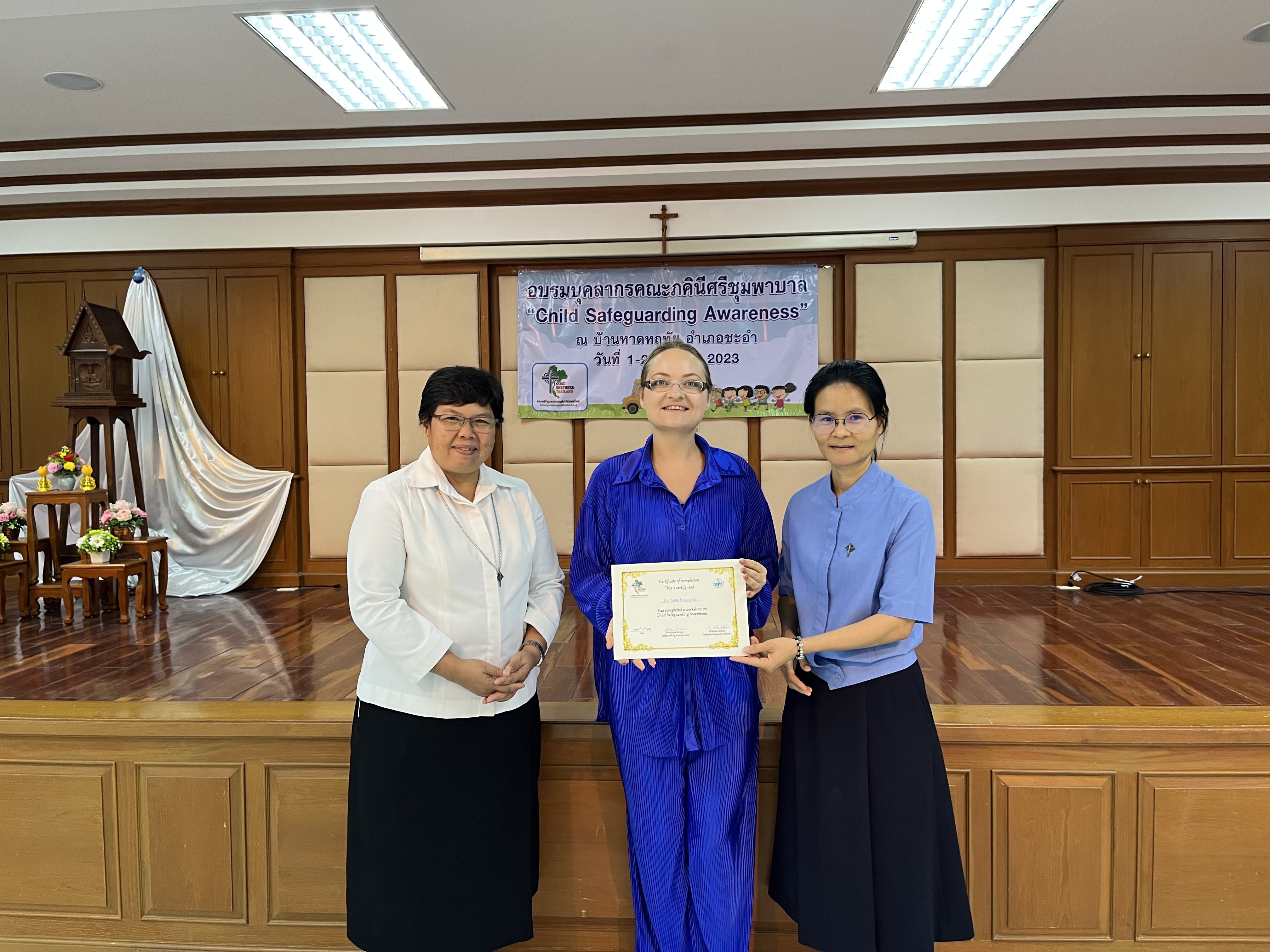
Dr. Anna Neya Kazanskaia has officially completed her doctoral studies in Technology, Education and Management at Assumption University, Thailand. The final graduation ceremony marked the formal conclusion of a multi-year process that integrated applied research, field-based implementation, and critical inquiry within the non-profit education and development sector.

Continue reading →
365
January 25, 2025

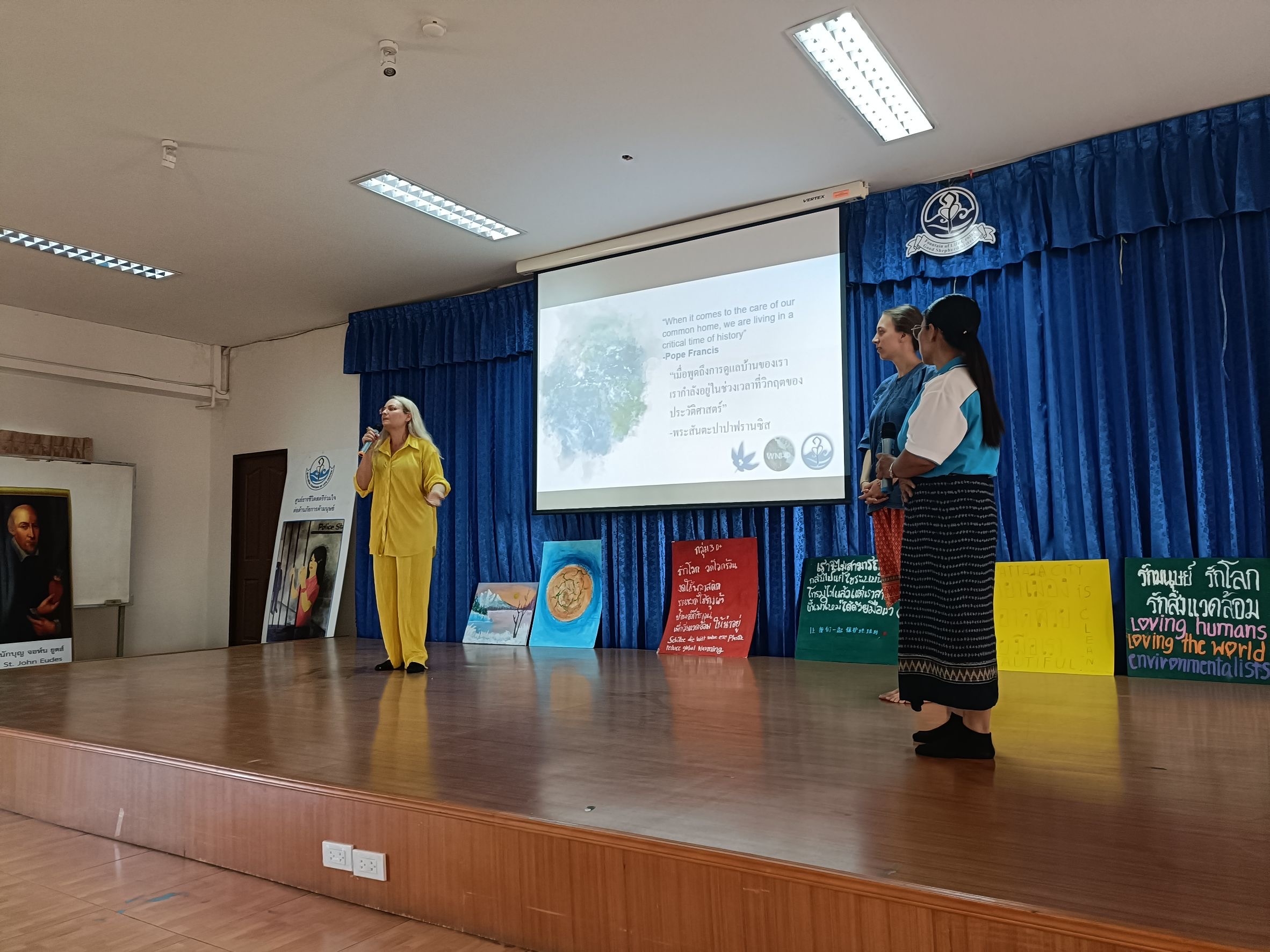
On November 20, Dr. Anna Neya Kazanskaia served as Master of Ceremonies at a landmark event hosted at Pattaya City Hall, where over twenty organizations convened to address one of the most urgent challenges of our time: environmental responsibility. The gathering was anchored in the principles of Laudato Si, the encyclical of Pope Francis that calls for integral ecology and collective care for our common home.

Continue reading →
303
November 20, 2024

In the course of working across diverse non-profit contexts—ranging from community education centers in Southeast Asia to women’s empowerment initiatives in West Africa—Dr. Anna Nea Kazanskaia has observed a fundamental distinction: the qualities that sustain a professional career in the non-profit sector are not always the same as those that make someone a truly transformative volunteer.

Continue reading →
298
January 31, 2024