







Education of Vulnerable Communities | Neya English Project
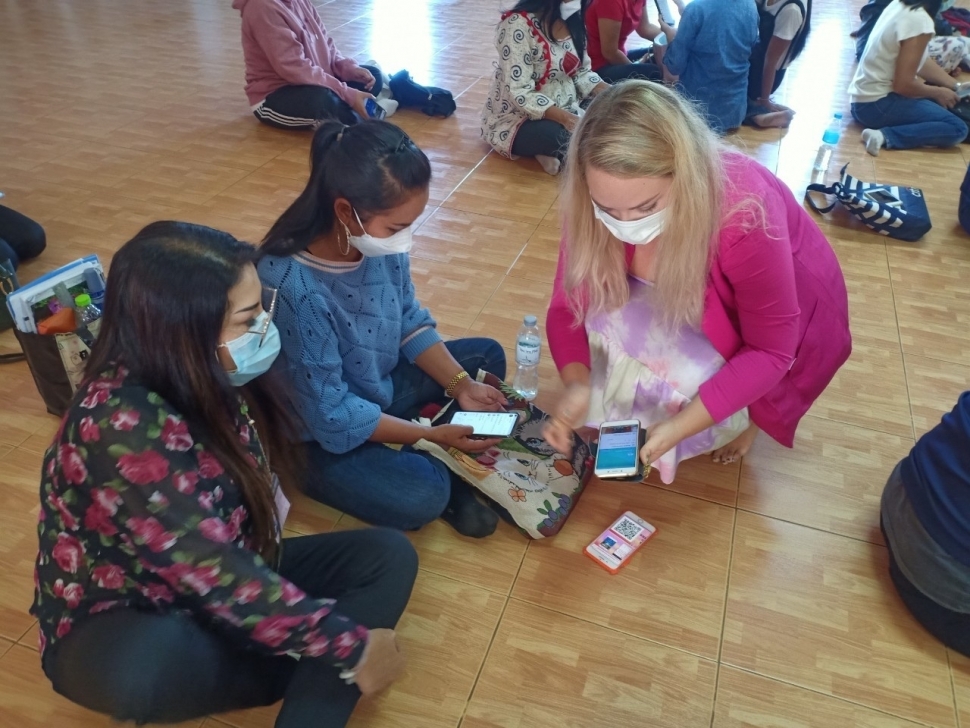
Education plays an important role in women's empowerment, as it allowed them to respond to the challenges, secure a safe future for their children, and enhance their living conditions.
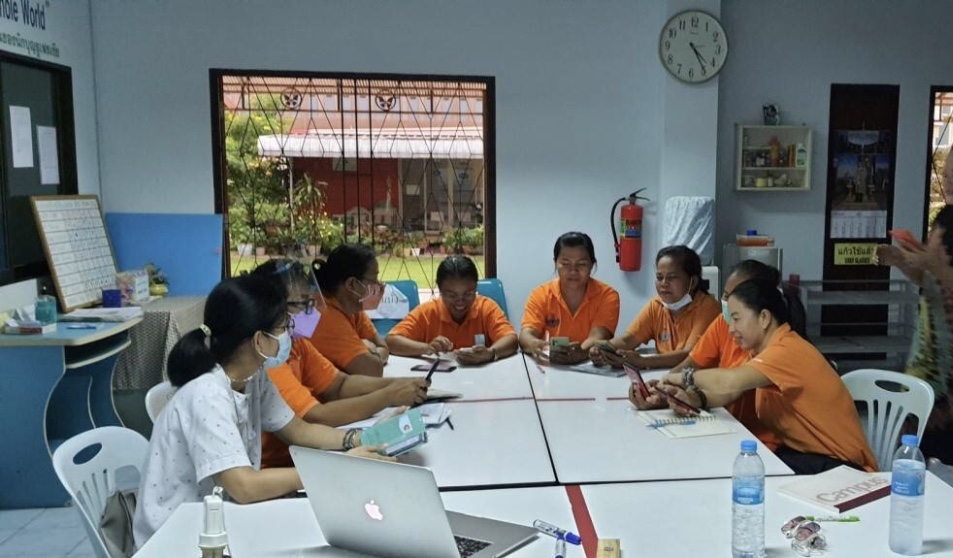
A great effort has been made to achieve equal opportunity for education regardless of gender, age, or other differences in status. However, quality education still is not accessible to all groups, especially considering the fast development of technologies that shape every sphere of life and the lack of educational opportunities leaves many people in the condition of professional degradation and inability to develop skills essential for a successful life in the modern world.
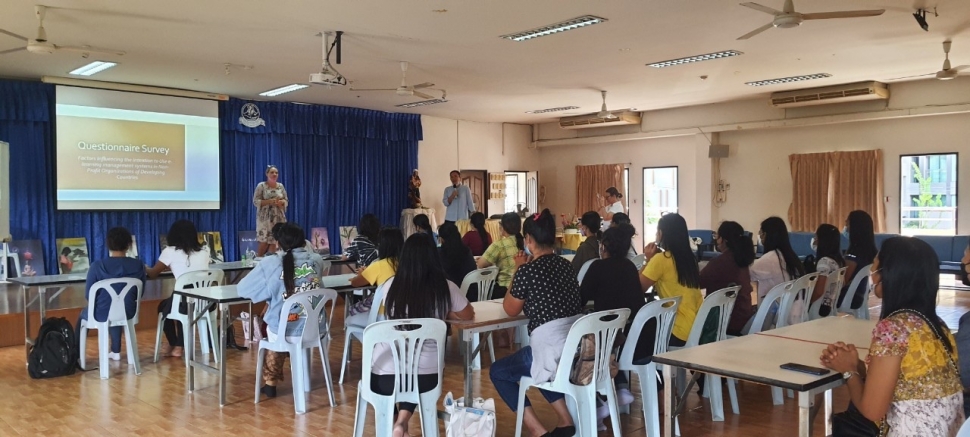
When considering the empowerment of vulnerable groups with weak socio-economic backgrounds, the need for quality education becomes evident. Yet, within the inequalities of the distribution of technologies, many people were left outside of the educational opportunities having no access to facilities, and the non-profit organizations of developing countries are turned out to be the most unaffected by technological advancement in all spheres.
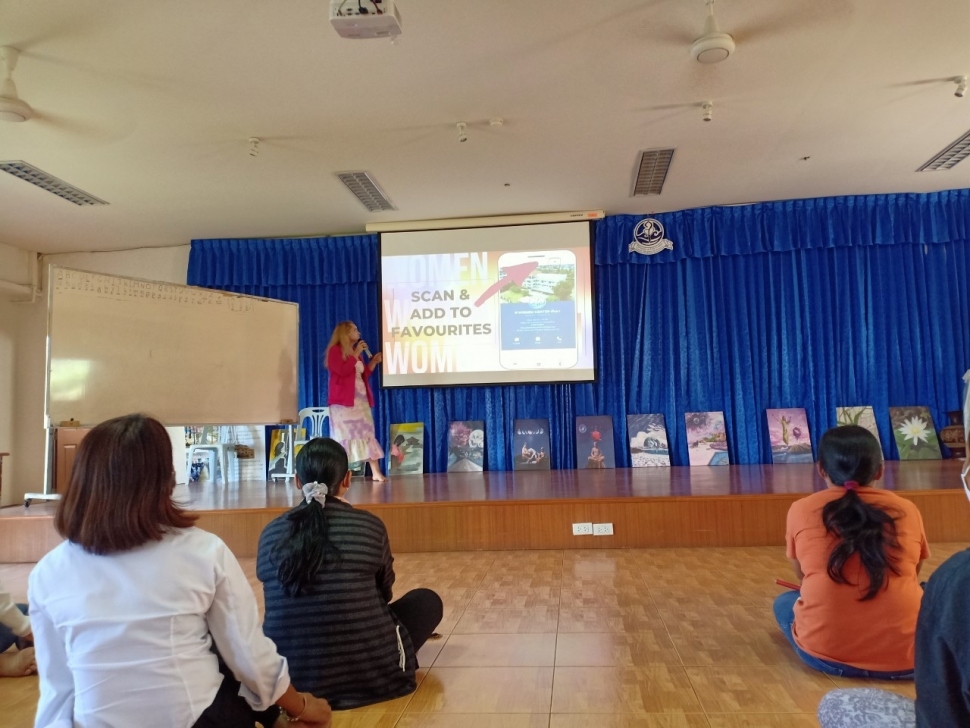
The Neya English Project emerged as a response to the need of the charity sector to implement technological advancements in management and education in order to not only enhance the quality of services provided and optimize the management system but also to adapt to the fast-changing conditions of Covid-19 pandemic regulations, worldwide lockdowns and its effects.
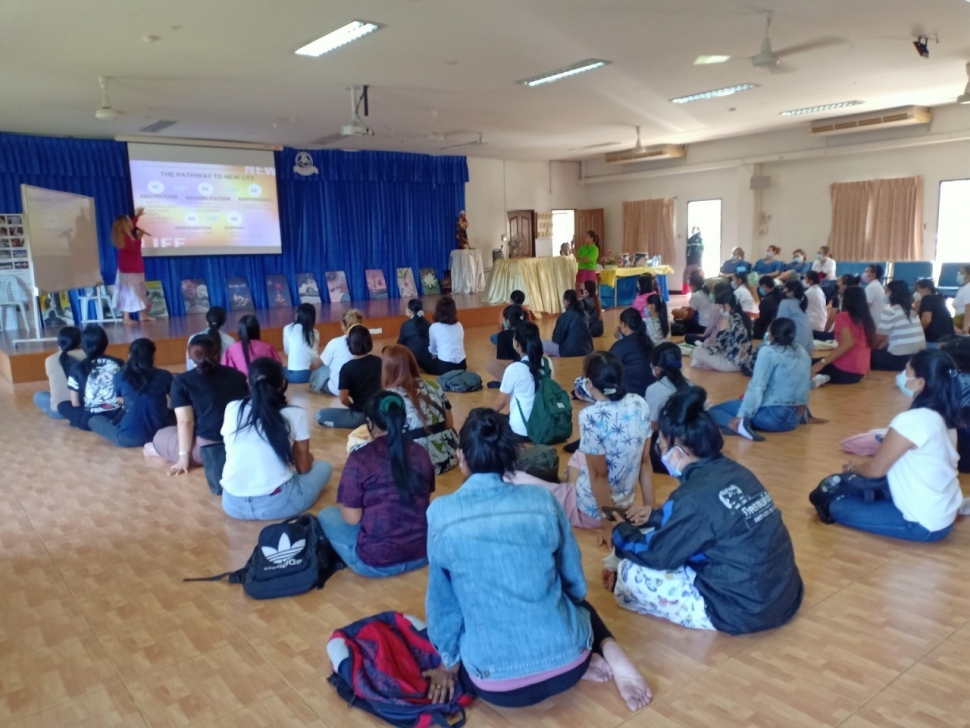
As part of the Neya English Project, the E-learning Management System was developed, including the English course lessons designated considering the needs of vulnerable women and with regard to their level of education and ability to perceive knowledge and communicate in society.
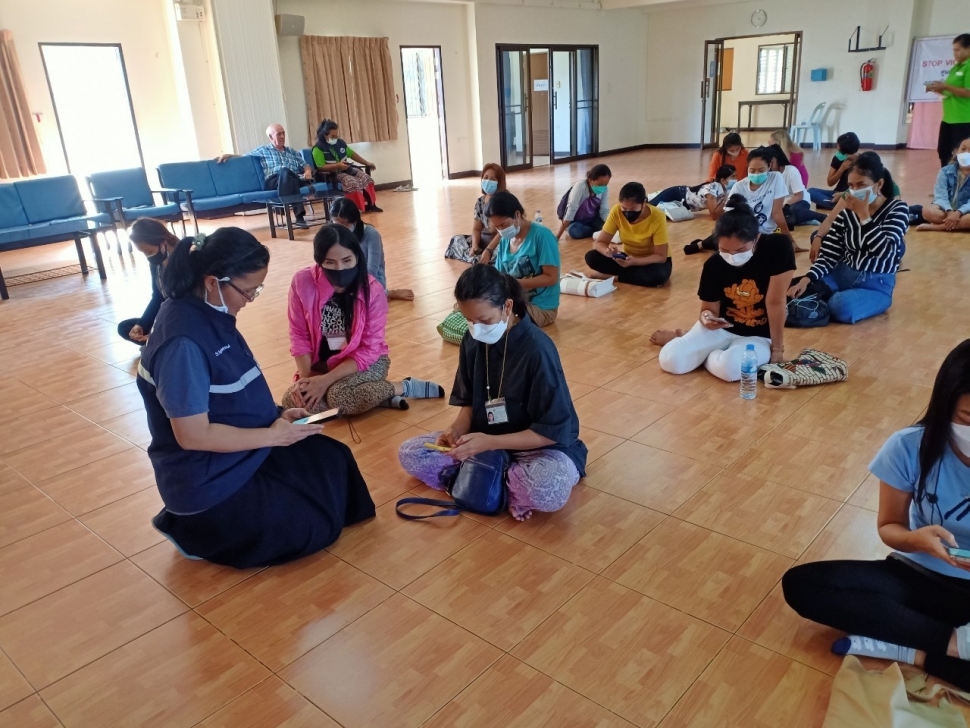
1. Powerpoint presentation lessons alongside the guidance for new volunteers on how to use it were developed at the first stage of the project.
2. The web-based platform contains additional materials for studying English, videos, lesson slides, and 65 additional topics for self-education at the second stage of the project.
3. The chatbot utilized for making the process of navigation and learning how to use the platform fast was developed at the third stage.
Additionally, apart from the advancement in education, the management system was also optimized. The new website for The Fountain of Life Women Center Pattaya was developed with guidance to the staff team on how to organize the communication channels and news reports for the non-profit and charity purposes.
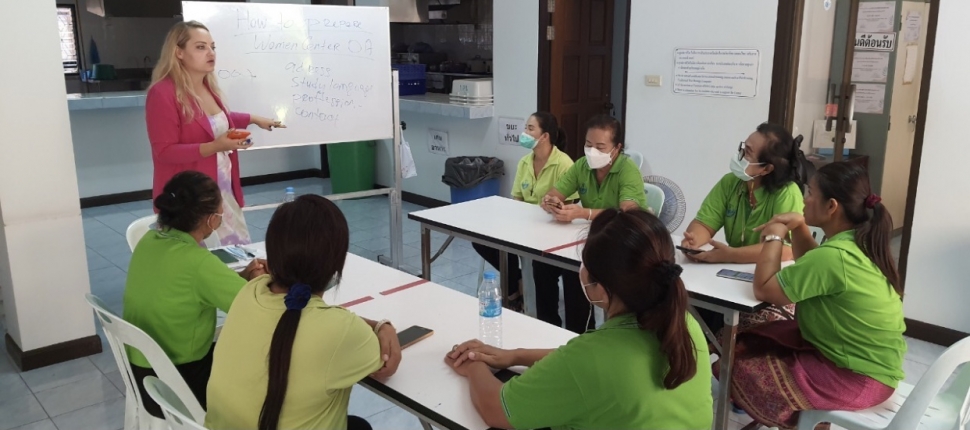
The chatbot for counseling was developed for easing the process of information distribution from the center to the potential beneficiaries.
- Now, women have instant access to all relevant information about the center’s courses and activities; How to register and receive the support.
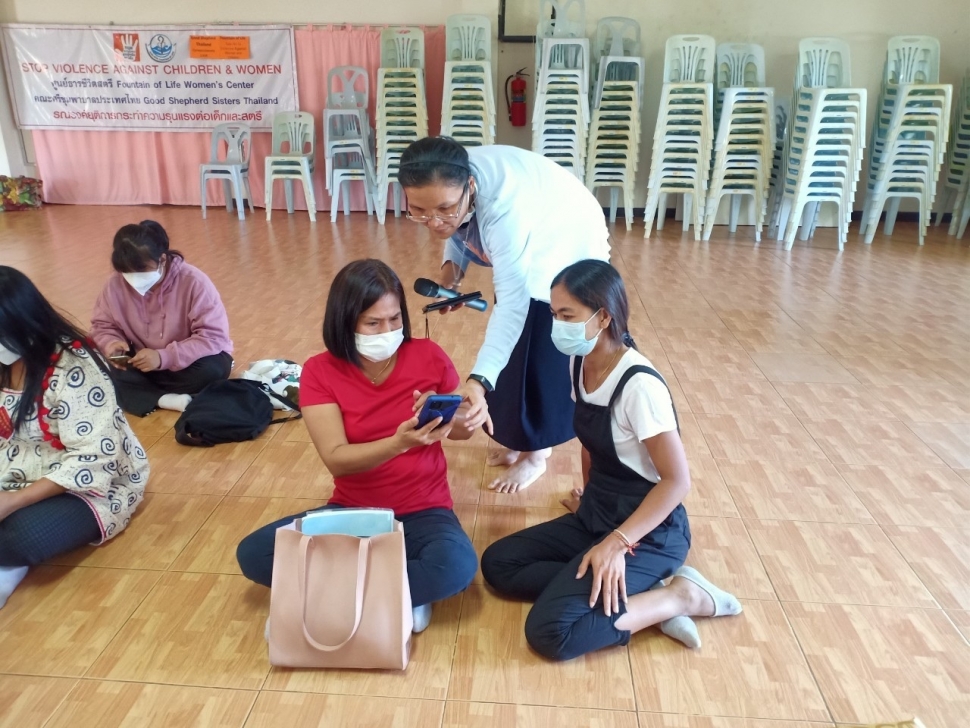
- The chatbot helps to register women in an online database in order to monitor their short-term and long-term success and gain feedback on the quality and effectiveness of the services provided.
- The chatbot allows for privacy when monitoring the mental conditions of gender-based violence survivors, through weekly broadcast messages sent to each woman.
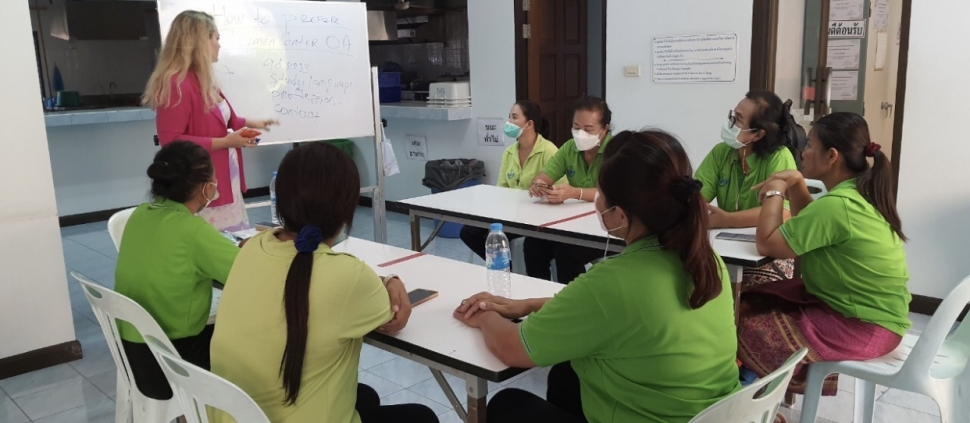
Currently, the Project is established and under the stage of implementation and further perspectives development.
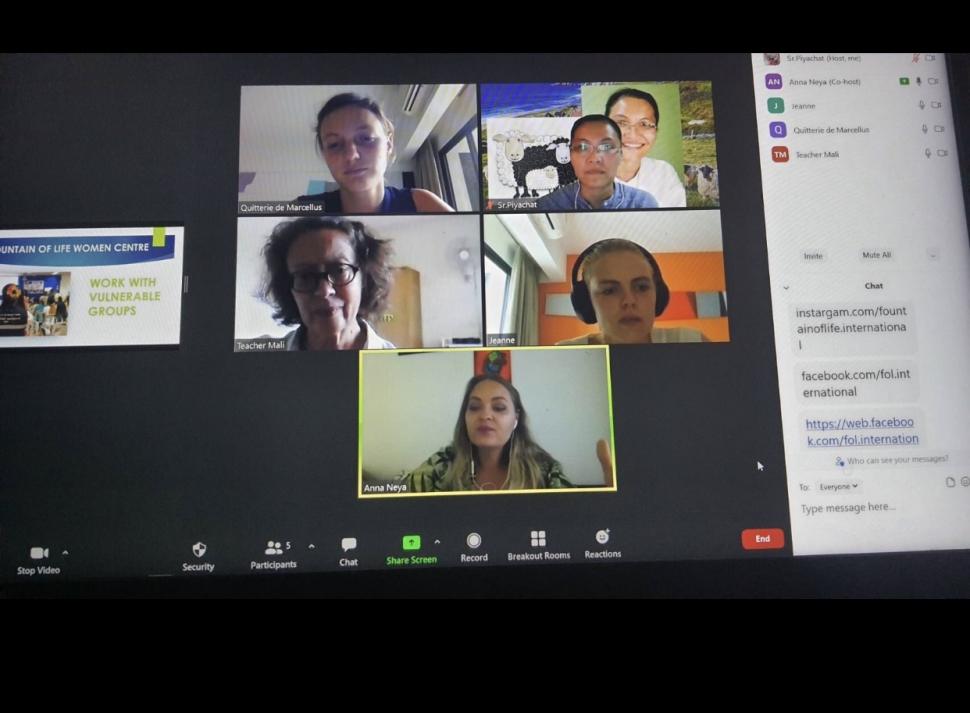
Our special regards to Ms. Anna Kazanskia, Global Charity Expert and Ph.D. candidate for initiating and establishing the Neya English Project; and for the development of professional skill training courses for our staff team and the induction course for international volunteers.
Learn more about the Neya English Project at neyaglobal.com/neyaenglishproject/